

Growing While Healing Why Both Matter
Healing can feel slow. Growth can feel demanding. Trying to do both at once can make a person wonder if they are falling behind when they are actually doing some of the hardest inner work there is.
Vex King’s reminder to give yourself credit speaks to this quiet truth: a person can be repairing old wounds while also building a new way forward. That takes strength. Not the loud kind that always looks confident, but the steady kind that keeps choosing care, honesty, and hope.
Growth and healing often happen in the same season. One day asks for rest. Another asks for courage. Both matter.

Healing and growth can happen at the same time
Healing means caring for what still hurts. It gives the mind and body space to rest, process, and repair. This might look like naming old pain, grieving a loss, stepping away from what keeps reopening a wound, or learning to feel safe again.
Growth asks something different. It invites a person to learn new habits, make new choices, and step into unfamiliar parts of life. This might look like speaking up, trying again after failure, taking responsibility, or building a routine that supports a healthier future.
These two paths do not always move at the same pace. Healing may say, “Slow down.” Growth may say, “Keep going.” The challenge is learning when to listen to each one.
A person may need rest after a hard conversation, then later practice setting a clearer boundary. They may cry over something from the past, then cook a nourishing meal or go for a walk. That is not confusion. That is Growing While Healing Why Both Matter in real life.
Healing gives pain a place to be cared for
Pain does not disappear because it gets ignored. It often shows up in patterns, reactions, and fears. Healing begins when a person stops treating those responses as flaws and starts seeing them as signals.
Old wounds can affect the way someone trusts, communicates, rests, or receives love. A small moment in the present can stir up a much older feeling. Healing creates room to ask a kind question:
“What is this feeling trying to show me?”
That question does not excuse harmful behavior. It does make self-awareness possible. A person can notice fear without obeying it. They can feel sadness without becoming ashamed of it. They can admit anger without letting it control the whole day.
Healing may include:
Giving the body enough sleep and food
Talking with a trusted person
Writing down thoughts instead of carrying them alone
Taking breaks from people or places that cause harm
Letting emotions move through without judgment
Healing is not passive. Rest can be an active choice. So can silence, distance, crying, and asking for help.

Growth asks for new choices
Growth often begins after a person notices a pattern they no longer want to repeat. That moment can feel uncomfortable, but it is powerful.
Maybe the old pattern is people-pleasing. Maybe it is shutting down during conflict. Maybe it is chasing approval, avoiding rest, or assuming the worst will happen. Growth does not demand perfection. It asks for one different response.
A person who once said yes out of fear may pause and say, “I need to think about it.” Someone who once hid their feelings may say, “That hurt me.” Someone who once gave up after one mistake may try again tomorrow.
These shifts can seem small from the outside. Inside, they can take enormous courage.
Growth is often quiet:
Choosing honesty in a moment when hiding feels easier
Practicing patience after years of self-criticism
Asking for what is needed without apologizing for needing it
Trying again while still feeling uncertain
No one becomes new overnight. Growth is built through repeated choices, especially on ordinary days.
Balance means honoring the day you are in
Balance does not mean giving equal energy to healing and growth every day. Some days need softness. Other days need structure. Some seasons are for rebuilding strength. Others are for stretching into new possibilities.
The key is paying attention.
If the body feels exhausted, rest may be the wise next step. If fear is the only thing holding a person back, gentle action may be needed. If emotions feel too heavy, support matters. If life has become too small because of old pain, a small brave step can help reopen it.
A helpful question is:
“Does this moment need care, courage, or both?”
Care may look like canceling plans, taking a slow walk, making soup, or going to bed early. Courage may look like making the appointment, sending the message, applying for the opportunity, or telling the truth.
Both can exist in the same day. A person can rest in the morning and take one brave step in the afternoon. They can feel tender and still move forward.
Signs of progress may be smaller than expected
Progress does not always feel inspiring while it is happening. Sometimes it feels like discomfort, honesty, or restraint. A person may not feel fully healed, yet still be changing in meaningful ways.
Look for signs like these.
Recognizing old patterns
Noticing a familiar reaction is progress. Even a brief pause before responding shows awareness. That pause creates choice.
Choosing a different response
Growth appears when someone does something new, even if it feels awkward. A calmer reply, a clear no, or a request for space can be a major step.
Feeling hard emotions without judgment
Sadness, anger, fear, and grief do not mean failure. Letting them exist without self-attack shows emotional strength.
Setting boundaries to protect peace
A boundary is not cruelty. It is a way to protect health, energy, and dignity. Boundaries teach others what is acceptable and teach the self that peace matters.
Celebrating small wins on tough days
Getting out of bed, drinking water, taking a shower, answering one message, or choosing not to repeat an old habit can count. Small wins are still wins.
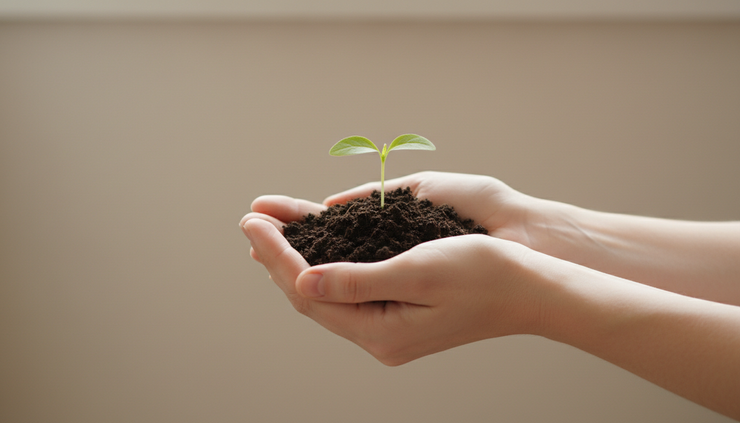
Give yourself credit as you keep going
A person who is healing and growing at the same time is carrying two responsibilities. One looks backward with compassion. The other looks forward with hope. Both require patience.
There will be days when old pain feels louder than progress. There will be days when growth feels exciting, then suddenly tiring. None of that means the work is wasted.
Give credit for the effort it takes to notice, pause, feel, repair, learn, and begin again. Give credit for the quiet choices no one else sees. Give credit for staying with the process, even when it feels slow.
Healing helps a person become whole enough to move with more peace. Growth helps that person create a life that fits who they are becoming. Together, they form a brave and honest path forward, one step, one boundary, one small win at a time.


Comments